
Blog
March 19, 2026
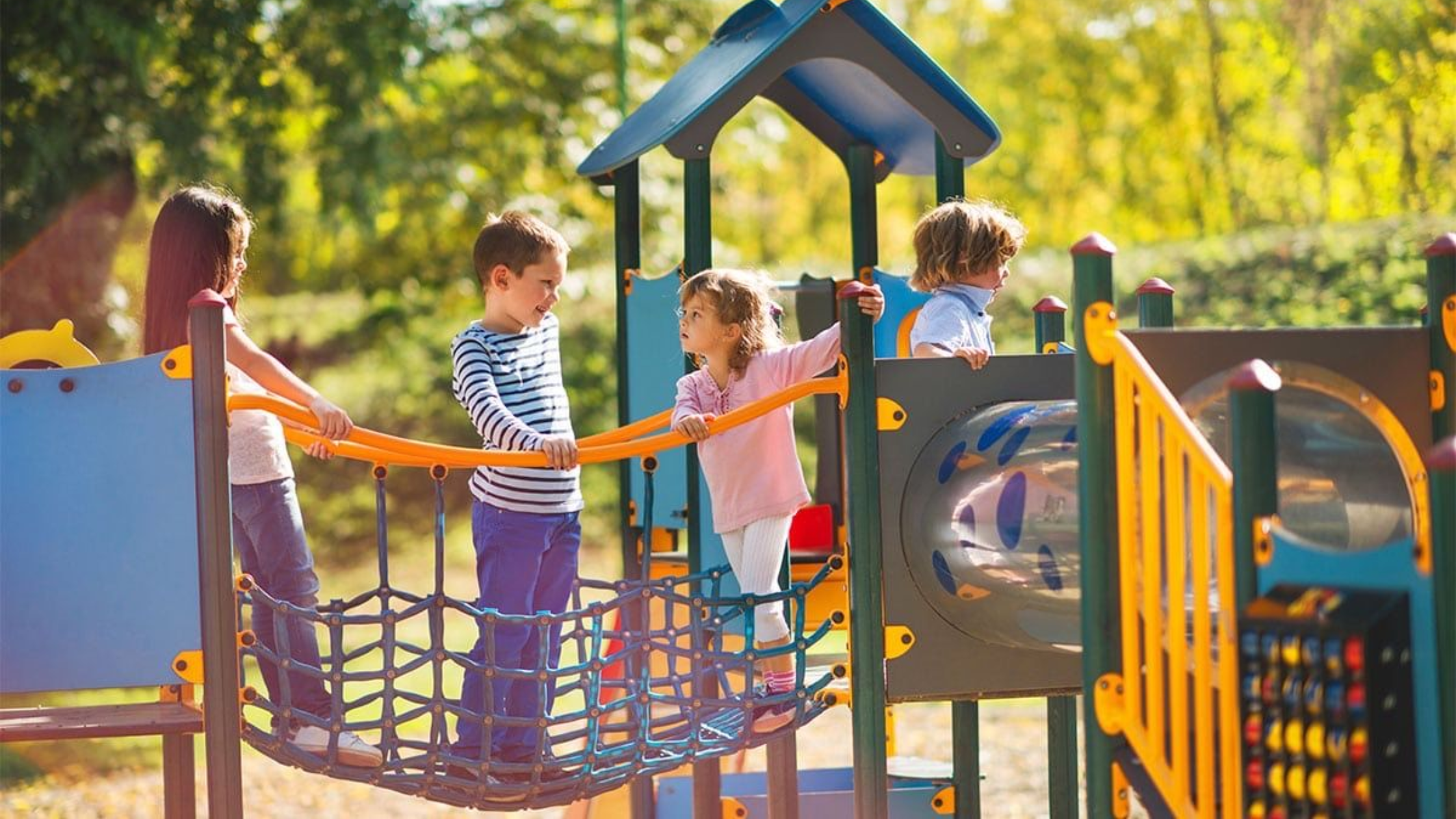
What if the problem isn’t that kids don’t want to move… but that the system isn’t built for them anymore? Think about the last time you saw a child choose a screen over playing outside. It’s easy to assume they’ve lost interest in movement, but in reality, movement just isn’t as accessible, engaging, or consistent as it used to be.
That’s exactly what we discussed in Why Youth Wellness Franchises Are Changing the Game, my recent Franchise Vibes interview with Christina Collins, founder of NeverStopMoving365, a conversation that highlights where the future of franchising is headed.
The Real Concern Is Kids Are Moving Less
Kids today are growing up in a world where movement is no longer built into their daily lives. Between packed schedules, digital distractions, and limited access to programs, physical activity has become something they have to fit in instead of something that naturally happens. And from what I’m seeing more and more, this isn’t just impacting their health, it’s affecting their confidence, focus, and overall development.
For years, the go-to solution has been organized sports, but here’s the challenge: those systems are built around competition and performance. While that works for some kids, it leaves many others behind. Not every child wants pressure or competition, some just want to move, have fun, and feel included. When that experience is missing, they disengage, and that gap continues to grow.
A Smarter Approach Is To Bring Movement to Them
This is where we’re starting to see a real shift. Instead of expecting families to adjust their schedules, new models are bringing programs directly into schools, camps, and community spaces. And I’ll tell you, this is something gaining serious traction in today’s franchise landscape. Because when movement becomes convenient and accessible, participation naturally increases. It stops feeling like an extra task and starts becoming part of a child’s everyday routine
Why This Model Works, For Impact and Income
From a business standpoint, this model solves a lot of the common challenges I see with aspiring owners. Instead of taking on the cost and pressure of a physical facility, owners can focus on building partnerships and delivering value directly within their territory. For example, an owner might work with a few schools during the week, run camp programs during school breaks, and host local community sessions, all within the same area. That flexibility creates multiple ways to generate income without overcomplicating the business.
Who This Is Really For (And Who It’s Not)
What’s interesting is that the people who thrive most in this model aren’t always from a fitness background. They’re often educators, parents, or professionals leaving corporate roles, people who are looking for something more meaningful and community-driven. But I’ll be honest, this isn’t for someone looking for a fully passive investment. This is for someone who wants to be involved, build relationships, and make a real impact.
The Bigger Picture
This isn’t just about one brand or one opportunity. If more youth wellness franchises move in this direction, community-based, accessible, and focused on overall well-being, we could see a long-term shift. Healthier kids. Stronger communities. More confident individuals. The future of franchising isn’t built in buildings, it’s built in communities.
Final Thoughts
If you’ve been exploring business ownership and want something that goes beyond profit, this is the kind of model worth paying attention to.
Because the real question isn’t just, “Is this a good business?” It’s, “Is this the kind of impact I want to make with my time, energy, and resources?” Curious if this kind of opportunity aligns with your goals? My services are free, but the value? That’s where everything changes. Let’s Talk!
RECENT POSTS:
Why Youth Wellness Franchises Are Changing the Game

Stop Waiting for a Promotion: How Franchise Ownership Lets You Build Your Own Table
Best States To Own A Franchise In 2026

Why Q1 Is the Smartest Time to Own A Franchise

A Franchise with Purpose: How Can You Make a Lasting Impact in Your Community?